Blog

  • Brits’ favourite TUI hotel revealed – with a private beach, pool and all-inclusive stays from £180

    The favourite hotel among British travellers with package holiday company TUI has been revealed.

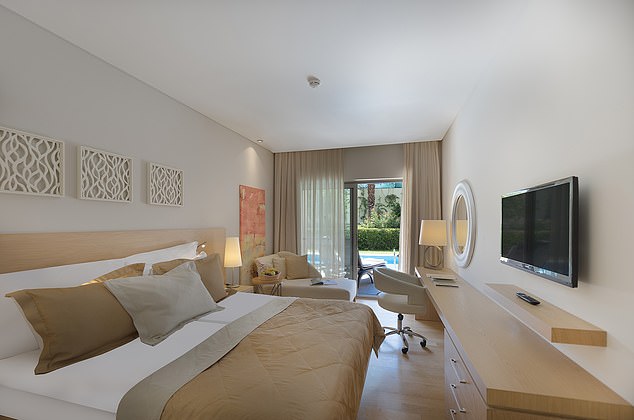
    TUI BLUE Barut Andiz in Turkey has been crowned the best TUI hotel for UK holidaymakers in 2026.

    The adults-only hotel in Side came out top after scoring some of the highest guest ratings across the entire TUI portfolio. 

    UK travellers say they love the friendly staff, brilliant food and chilled and child-free setting – and many guests book again the moment they get home.

    The hotel’s two à la carte restaurants are set on a first-floor terrace, so guests can soak up panoramic sea views at dinner. 

    There’s also an indulgent spa with a Turkish bath, and its own roof terrace looking out over the Mediterranean, plus a mix of solo and couples’ treatment rooms.

    The hotel is just minutes from the beach and Side’s old town, making it a big hit with couples looking for an easy sunshine break with lots to do. 
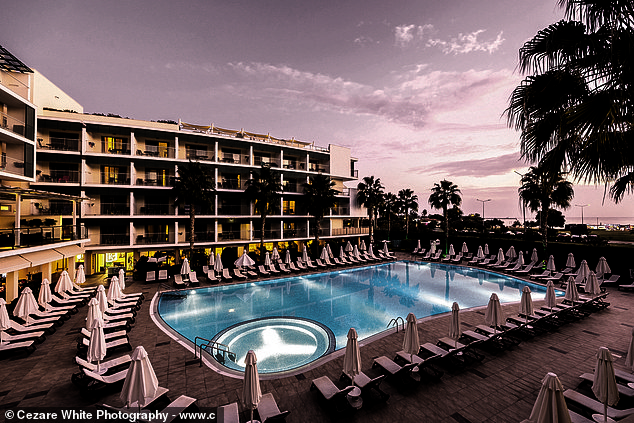
    It has a private beach, set along the beautiful Mediterranean shore, where you can enjoy refreshing drinks and stunning sunsets.

    There are also plenty of pools on offer, from the swim-up pool, which can be reached directly from certain rooms, and a large outdoor pool for general use.

    The hotel also topped the charts in several other European countres, proving it’s a consistent crowd pleaser.

    And it won’t break the bank either, as TUI offers a seven-night holidays to Side, Turkey staying at Barat Andiz on an all-inclusive basis from £1,273 per person.

    That’s £181.86 a night. 

    Reviews of the hotel rave about the facilities and luxurious ambience.

    One visitor wrote on Google reviews: ‘One of the nicest hotels we have stayed in. We had a swim-up room and both the room and the swim-up area were immaculate. There was a bottle of wine in our room on arrival with a full mini bar and lots of water. All of the hotel facilities were immaculate.’

    A second chimed in: ‘What really make this hotel standout is the service provided by all the staff , they all make you feel special.’

    A third noted: ‘Exceptional hotel and staff. Easy to see why the reviews are so good. All the staff are so attentive and nothing is too much trouble for them. 

    ‘Food was excellent and plentiful. The manager was there from early morning till last thing and always stopped for a chat. No wonder it’s been voted the best hotel for a number of years.’ 

    The UK winner was announced at the TUI Global Hotel Awards 2026 hosted in Berlin on March 2, which recognise the hotels that deliver the best holiday experiences.

    Only hotels achieving a top 10 per cent Customer Satisfaction Score from a pool of more than 13,000 hotels qualify for consideration.

    From boutique hideaways to large-scale resorts and groundbreaking sustainability leaders, the 2026 awards spotlight excellence across 22 categories, including several new lifestyle-focused distinctions.
    In other categories in the awards, the Best Large Hotel in the World was voted to be TUI BLUE Sarigerme Park in Türkiye. 

    Guests rave about the beachfront setting, huge gardens, great food and packed activity programme. It’s especially popular with families.

    New lifestyle-themed awards and updated geographic groupings showcase the broad diversity of TUI’s hotel partners across regions and experiences.

    The Best Boutique Hotel in the World as voted by customers was Lindos Blu Luxury Hotel & Suites in Rhodes. 

    Sebastian Ebel, CEO of TUI Group, said: ‘In a market shaped by rising expectations and rapid change, these hotels haven’t just delivered. 

    ‘Their commitment to exceptional service and unforgettable guest experiences sets a global benchmark. We’re incredibly proud of our partners and grateful for everything they do for our guests worldwide.’

    David Schelp, CEO of TUI Markets + Airline, said: ‘The success of our award-winning hotels is driven by dedicated teams who work relentlessly to create exceptional experiences for our mutual guests. 

    ‘We’re honoured to work with partners who show this level of passion and excellence every day.’

    Read more

  • Underrated Italian gems for a memorable city break

    Come summer, throngs of tourists descend on the likes of Florence, Rome and Venice to marvel at the historic architecture and sample the delicious food. But for those willing to look beyond these heavyweights, Italy is home to some underrated gems that offer all the ingredients for a memorable city break – without the crowds. Here are some of our favourites.

    Livorno

    This vibrant port city on the west coast of Tuscany is a popular spot for cruise ships, but it’s also a “winning weekend destination in its own right”, said Julia Buckley in The Sunday Times. Just 12 miles south of Pisa, Livorno (historically known in the English-speaking world as Leghorn) was built by the Medici family in the 16th century “to rake in the riches of Mediterranean trade”. Now, bars “unfurl” along the canal, and “ghostly” Armenian and Dutch churches “quietly crumble”. There is plenty to keep you busy, from Italy’s third-largest aquarium (great for kids) to the Medici fortresses in the centre where you can “wander the eerie bowels and ramparts, then exit via the modern drawbridge across the water”.

    Turin

    With its “majestic palazzos”, “beautiful 360-degree views of the Alps” and “world-class restaurants”, it’s hard to believe Turin has “flown under the radar for so long”, said Luke Abrahams and Alessia Armenise in Condé Nast Traveller. Perhaps “most importantly”, the capital city of the Piedmont region is the birthplace of vermouth and the “beloved Italian tradition of the ‘aperitivo’”, so you’ll find lots of bustling buffet bars here. And every second Sunday of the month, bargain-hunters flock to the Gran Balon flea market to “get their hands on all sorts of fine Italianate steals”, from retro furniture to vintage clothing. If you’re keen to experience the “real Italy, far away from mass tourism” it’s hard to think of a better destination.

    Genoa

    Some use Genoa (Genova in Italian) as a “stopover on the way to the Italian Riviera”, but I think it “deserves to be a destination in its own right”, said Lisa Niven-Phillips in Vogue. The port city has the “character, charm, culture and culinary prowess” of somewhere like Rome – but without the influx of tourists. A “stylish alternative to Marseille”, Genoa boasts similar “colourful, hilly streets” to the French city, with “buzzy bars spilling across pavements”. Days are easy to fill “taking in the exquisite interiors and impressive art collection” of the Palazzo Rosso, wandering through the “tiny, medieval alleys” and “exploring the city’s hidden parks”.

    Bologna

    Home to a “marvellous medieval centre” and “piles of perfect pasta”, Bologna ticks a lot of boxes required for a “memorable” trip, said Sarah Lane in The Telegraph. The “lesser-known rival to Rome and Venice” has plenty of “treasures to be discovered”, including its world-famous porticos and “monumental statues with intriguing stories attached”. But the real draw is the city’s culinary culture. “Food is taken seriously here”, from the Quadrilatero market (“bliss for foodies with its colourful medley of sausages, cheeses, fruit and veg”) to the excellent pizzerias and pavement cafes.

    Trieste

    With its “sprawling waterfront location”, “broad boulevards and historic cafe culture”, Trieste feels “perfectly pitched at the modern traveller”, said Paula Hardy in The Telegraph. Filled with “pretty public gardens” and “wine bars that tumble out onto every cobbled piazza”, it’s a relaxing setting for a weekend away. There’s also an “epic” art museum, the Museo Revoltella, and a “wealth of outdoor pleasures”. These include scenic cycle trails, coastal clifftop walks and ferries to the charming town of Muggia, “where you can scoff barbecued fish straight off the boat”.

    Like this article? For more stories like this, follow us on MSN by clicking the +Follow button at the top of this page.

  • NHS maternity care failing babies and mothers, inquiry finds

    The NHS is failing women and babies “time and time again”, a national inquiry into maternity services has found.

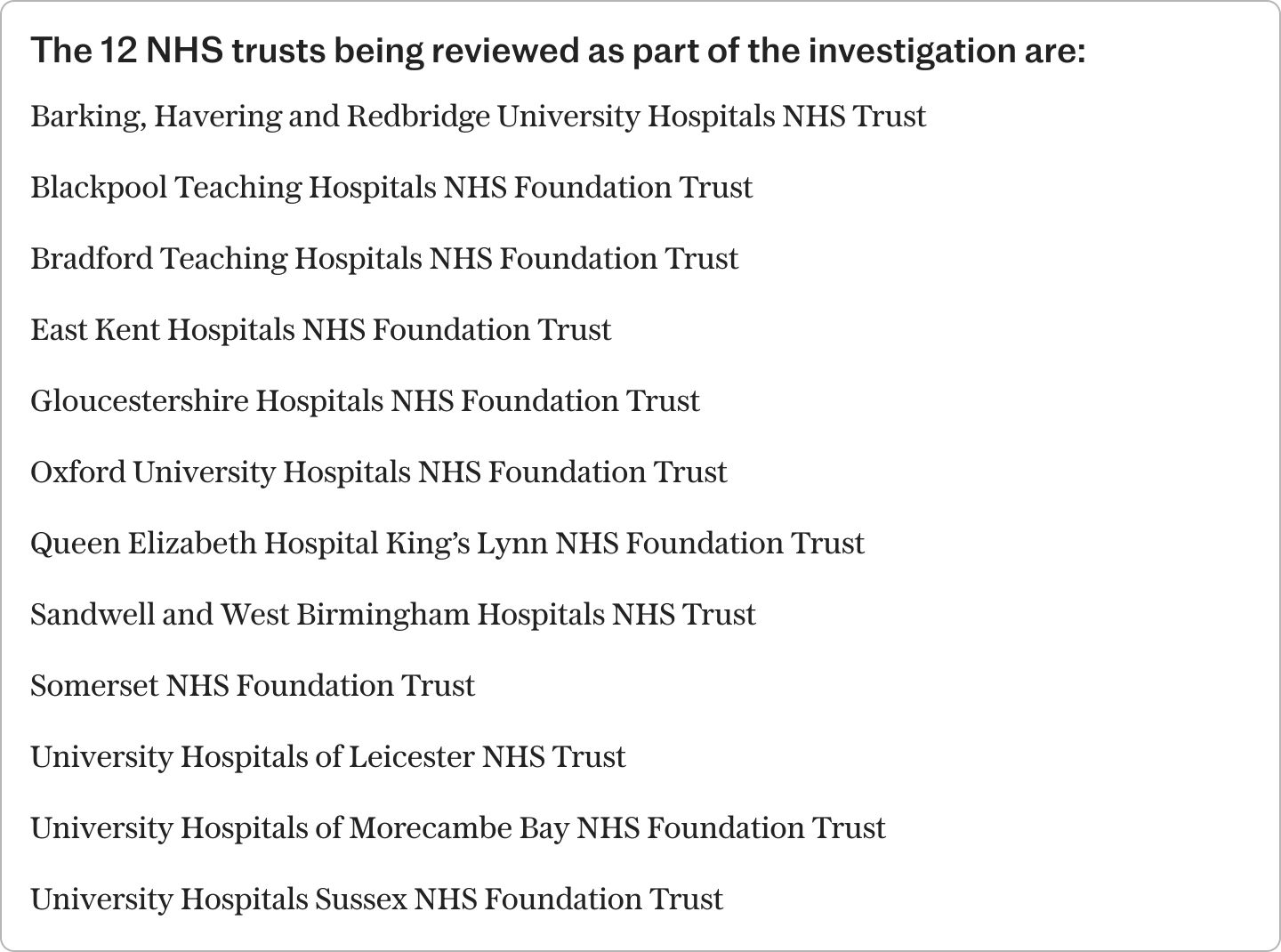
    Wes Streeting, the Health Secretary, commissioned a review of NHS maternity care after a series of failings at 12 trusts led to the deaths of both babies and mothers.

    Baroness Amos’s interim report has revealed a culture of cover-ups, a reluctance from staff to admit mistakes, and “a lack of kindness and compassion”.

    Midwives had become so “embarrassed” by the state of NHS care, they “hide their name badges or uniforms in public or lie about their jobs”, the report said.

    The National Maternity and Neonatal Investigation found deep-rooted issues across the NHS in a system that “is not working for women, babies and families, or for staff”.

    Baroness Amos and her team have met more than 400 family members and heard from more than 8,000 people, including NHS staff. Her final recommendations to the NHS will be published in spring.

    In her interim report, published on Thursday, she said “time and time again” families and staff see the same issues repeated and numerous reviews making recommendations, adding: “This cycle must stop.”

    There have been multiple maternity inquiries in recent years, including at Shrewsbury and Telford NHS Trust, and an ongoing investigation into 2,500 cases of failings, including deaths at Nottingham University Hospitals NHS Trust, both led by Donna Ockenden, a senior midwife.

    Mr Streeting is currently under pressure to appoint her to lead a separate investigation into the deaths of babies at Leeds Teaching Hospitals NHS Trust.

    Baroness Amos’ report, which has looked at 12 different NHS trusts with a poor record on maternity care, highlighted six factors behind the failing services: shortages of staff, capacity issues, culture and leadership, racism and discrimination, lack of accountability when things go wrong, and the poor condition of NHS hospitals and buildings.

    The Labour peer said: “We have seen maternity and neonatal services trying to respond in difficult circumstances and dealing with competing pressures but too often failing to deliver the safe care that women, families and babies expect and deserve, at times with devastating consequences.”

    The inquiry heard that NHS hospitals are recording baby deaths as stillbirths to prevent investigations.

    Baroness Amos said bereaved mothers felt the system “incentivised the recording of deaths as stillbirths” because coroners in England and Wales can only investigate if a baby was born alive and then died.

    “Many families we spoke to whose babies were stillborn had not received a full explanation of what happened from NHS investigations,” the report said.

    “They told us that the current system feels deeply unfair, can exacerbate trauma, and that the absence of a coronial investigation left them without answers about what had happened, returning home without their babies. They did not know if the deaths could have been avoided.”

    She suggested she could recommend allowing coroner involvement in any stillbirths that occur after 24 weeks in her full report to end the current “ambiguity” that families face.

    One mother told the inquiry she had never agreed that her son was stillborn.

    “He was resuscitated for 30 minutes before we were told he had died. You don’t resuscitate a stillborn baby. But you register a baby as stillborn, you have no investigation, an independent investigation,” she said.

    The mother said a bereavement midwife had told her if she did not accept the stillbirth death on the paperwork, “you won’t be able to have a funeral and you won’t be registered anywhere”.

    The report also found a consensus among women and NHS staff that antenatal appointments are not long enough, that waiting times for assessments and in triage areas are too long, and that there were too often delays to admissions, inductions, and planned c-sections.

    It revealed that community midwives are being moved to work in delivery units in hospitals to cover staffing gaps despite not knowing how to perform the role, while staff from postnatal wards are frequently being redeployed to delivery units to maintain staffing levels.

    “We heard from many families about feeling that there had been a ‘cover-up’ and defensiveness from NHS trusts, the resistance they faced from trusts when requesting their notes, and instances of medical notes being amended or redacted,” the report said.

    It also criticised “buildings with leaking roofs and inadequate facilities”, mothers giving birth in delivery rooms with the door open because of a lack of space, having to walk through shared corridors to bathrooms covered in blood, and even having to walk through a delivery suite with their dead baby.

    “We have to ask ourselves how this can be regarded as acceptable in 2026?” the report said.

    Jodi Newton, head of birth and paediatric negligence at Osbornes Law, which represents several clients, said: “There have been a multitude of similar investigations which have failed to deliver meaningful reform.

    “At the same time, families have suffered avoidably poor levels of care, resulting in death and devastating birth injuries.

    “I hope that the findings will be a first step towards transforming and restoring confidence in a broken system.”

    Play The Telegraph’s brilliant range of Puzzles – and feel brighter every day. Train your brain and boost your mood with PlusWord, the Mini Crossword, the fearsome Killer Sudoku and even the classic Cryptic Crossword.

  • NHS failing mums and babies as deaths covered up – bombshell report

    Deaths of babies due to poor NHS care are being covered up and wrongly recorded as stillbirths, it has been claimed.

    A national maternity probe chaired by Baroness Valerie Amos has outlined why mums and babies are still needlessly dying during childbirth. The inquiry outlined six factors that are still leading to poor NHS care despite numerous earlier inquiries into maternity scandals at trusts in the last decade.

    Baroness Amos’s team has met with over 400 affected people and received input from over 8,000 people including mums, their relatives as well as NHS staff. She said: “It is clear from the meetings and conversations I have had with hundreds of women, families and staff members across the country, that maternity and neonatal services in England are failing too many women, babies, families and staff.”

    • Mums and babies dying during childbirth increases for the first time in a decade

    Many families felt there had been a “cover up” and defensiveness from NHS trusts after something went wrong. Mums reported incidents where they believed their medical notes had been amended or redacted.

    Mums felt the system incentivised the recording of deaths as stillbirths as this prevents the case from being investigated by a coroner. One said: “I’ve still never agreed he was stillborn. He was resuscitated for 30 minutes before we were told he had died. You don’t resuscitate a stillborn baby. But you register a baby as stillborn, you have no independent investigation. They’ve been able to hide behind it… his death isn’t in the public domain.”

    Baroness Amos is chairing the independent National Maternity and Neonatal Investigation commissioned by Health Secretary Wes Streeting after several inquiries at different NHS trusts revealed similar failings. The former UN diplomat said the six factors were shortages of staff, lack of NHS capacity, poor work culture and leadership, discrimination, lack of accountability when things go wrong and crumbling NHS hospital buildings. Campaigners are now demanding action to stop more babies and mums dying.

    The inquiry pointed to lack of NHS capacity and maternity workforce shortages which have built up over the last decade or so. Midwives warned vital antenatal appointments had to be too brief, mums faced waits for medical assessments. When babies were born some inductions and caesarean section procedures had to be delayed while home births had to be suspended.

    Probes have been held into deaths caused by poor care at maternity units in Morecambe Bay, Shrewsbury and Telford and East Kent which led to 748 recommendations for improvements being made. The biggest maternity inquiry in the history of the NHS, examining around 2,500 cases in Nottingham, will report in June while another inquiry was recently announced into care at Leeds Teaching Hospitals NHS trust.

    Baroness Amos brought much of this together in her interim findings on “emerging themes” from 12 trusts she has been looking at in detail.

    Richard Kayser, medical negligence lawyer at law firm Irwin Mitchell, which represents hundreds of affected families, said: “This latest report tells us what we’ve known for years. Put simply, maternity services aren’t good enough, resulting in mums and babies being put at risk because of deep-rooted problems nationally.

    “Over the past two decades we’ve seen several high-profile investigations and reports – stretching back to Morecambe Bay and Shrewsbury and Telford – make hundreds of recommendations, many of which haven’t been implemented. The nation’s maternity services are now at a crossroads in terms of whether the same issues continue to be highlighted or whether decisive action is actually taken to improve care for families in future.”

    The inquiry heard of “dilapidated and outdated” facilities, cold delivery rooms and of leaking roofs. In one hospital staff had to put the weather report on labour handover notes because the room leaks so much that women in labour have to be moved when it rains.

    The report said many rooms were not large enough to accommodate staff and equipment. It said: “In one visit, we were informed that when an instrumental vaginal delivery was required in the delivery room, the door had to be left open to provide enough space – with a screen placed outside of the room to protect families’ privacy. It is inconceivable that anyone would choose to give birth in such a manner.”

    Women described listening to nearby babies crying whilst they are mourning their own baby, of having to receive care in a ward shared with women in active labour. Shame about delivering poor care on understaffed wards led to some midwives hiding their name badges or uniforms in public or lying about their jobs when meeting people outside of work. One said: “I feel embarrassed to say I am a midwife now.”

    The inquiry heard accounts of Asian women being stereotyped as “princesses” – with the implication that they are overly demanding or unable to cope with pain. Black women reported being deemed as having “tough skin” and able to tolerate pain. Black women described experiences of “the angry or aggressive Black woman” stereotype when asking for help or pain relief.

    The rates of deaths of mums and babies are twice as high for those living in the most deprived areas compared with women living in the wealthiest. Young parents described facing judgement and felt that their grief and trauma were minimised because of their age.

    One parent who had lost twins at 17 shared: “He’d completely written me off… didn’t care that I’d lost twins.” Another, who had experienced multiple losses, recalled being told: “You’re young, you’ll be fine, just try again.”

    The interim findings from the National Maternity and Neonatal Investigation come as Baroness Amos continues to draw up a series of national recommendations to improve maternity and neonatal services. However some families have said it does not have enough power and are demanding a full statutory public inquiry.

    In her foreword to the interim report, Baroness Amos said: “I have been asked many times during the course of this investigation what makes it different to those investigations and reviews that have gone before. The answer is that this investigation is national in scope and takes a whole system view… I see it as my purpose to understand the context and identify the urgent systemic issues that must be addressed.”

    Wes Streeting will chair a new National Maternity and Neonatal Taskforce in the New Year which will be responsible for implementing the recommendations.